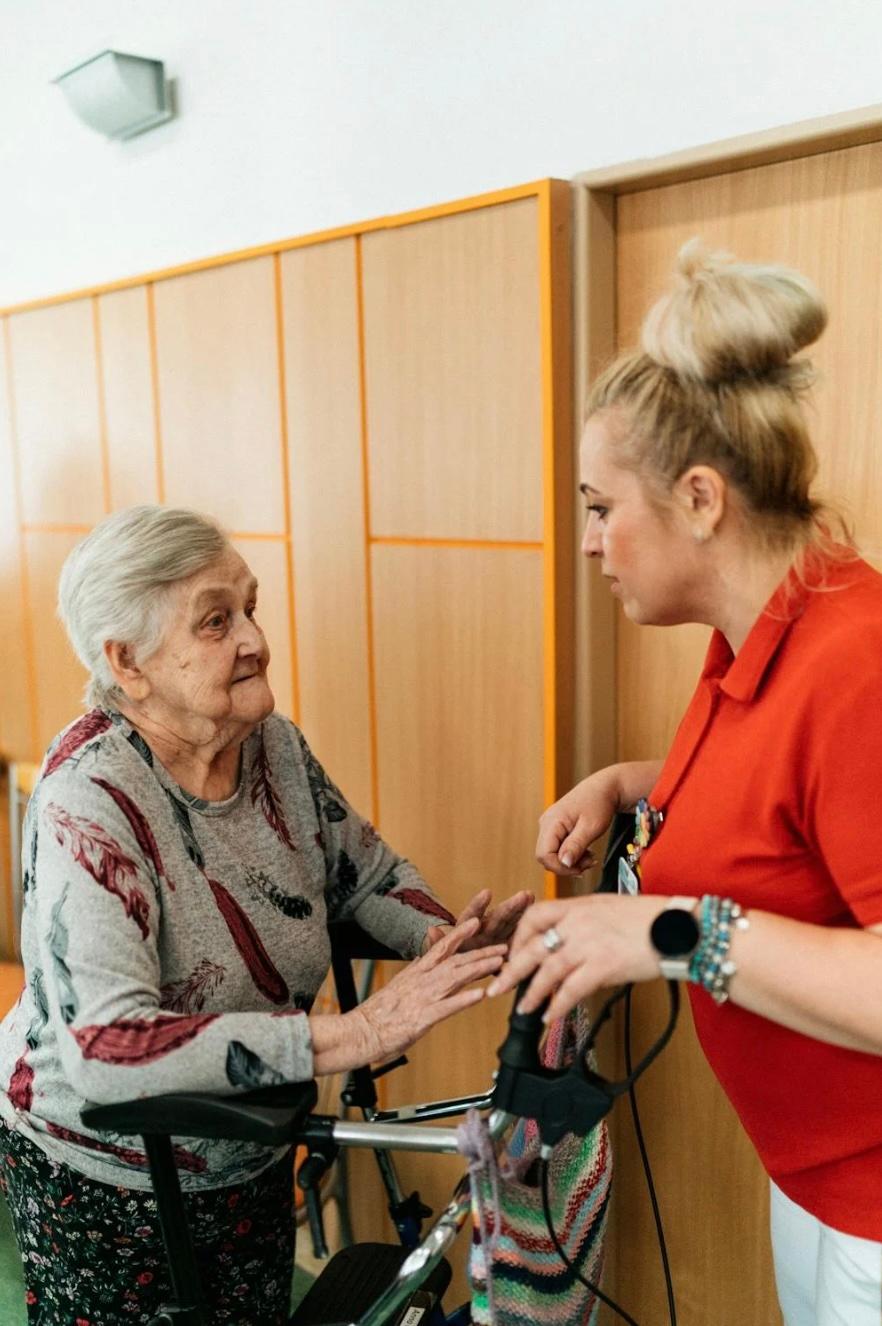
Supporting the Caregiver Client: A Financial Advisor's Guide to Empathetic Estate Planning
|
America is facing a caregiver crisis.
With baby boomers entering retirement in record numbers and most wanting to age in place in
their homes, demand for long-term care at home is rapidly rising. Yet the supply of professional
caregivers has not kept pace, leaving many families without reliable support and placing
growing pressure on informal unpaid family caregivers.
Many of these caregivers are simultaneously working full time and raising children while
managing the daily needs of aging parents or disabled loved ones. The caregiving burden
disproportionately falls on women in their prime earning years and carries significant emotional,
physical, financial, and health consequences. With potential cuts to programs such as Medicaid,
the strain on family caregivers is quite likely to intensify.
Caregiving responsibilities can quietly push aside personal goals, including retirement planning,
career advancement, and long-term financial security. Financial advisors are probably already
working with caregiver clients, often without recognizing them as such.
When advisors recognize the signs and understand the trade-offs that caregivers are making,
they create space not only for empathy but also for strategy, helping clients navigate caregiving
demands without abandoning their own financial futures.
The Silent and Invisible Family Caregiver Crisis
Approximately one in four US adults, or 63 million Americans, serve as unpaid family caregivers
for loved ones in the home - an increase of almost 50 percent since 2015.1
They provide essential services worth hundreds of billions of dollars per year, in many cases
with little or no training, institutional support, or financial assistance.
This caregiving crisis is described as silent or invisible because it takes place mostly outside the
formal healthcare system and behind closed doors. However, the value of these unpaid
services, estimated at roughly $1.1 trillion annually, exceeds all out-of-pocket spending on
healthcare in the United States.2
While some funding is available to family caregivers, most of their work is not only unpaid, it
also comes with out-of-pocket expenses on top of the tolls to their own health and emotional
well-being.
Here are several figures that put the family caregiver crisis in perspective:
- The average amount of time spent in an informal caregiver role is 24 hours per week,3 but
nearly one-quarter of caregivers provide more than 40 hours of care per week.4
- On average, family caregivers spend 26 percent of their income on activities related to
caregiving.5
- Nearly half of caregivers report having out-of-pocket financial impacts due to caregiving
responsibilities: 28 percent stopped saving; 23 percent took on more debt; 22 percent used
up short-term savings; and 19 percent left bills unpaid or paid them late.6
- The typical caregiver is 51 years old and female, although male caregivers are on the rise,
accounting for 40 percent.7 Caregivers' average lost wages and benefits over a lifetime are
$324,000 for women and $284,000 for men.8
- One in five caregivers reports poor health, one in four says that they struggle to care for
their own health because of caregiving duties, and the same number report feeling socially
isolated.9
- Most caregivers (nearly 70 percent) report difficulty balancing professional obligations and
caregiving responsibilities; many are forced to make career sacrifices, including reducing
paid work hours, passing up promotions, taking a leave of absence, quitting, or retiring
early.10 Those who leave the workforce and come back after caregiving are often paid less
with fewer benefits.
- Twenty-nine percent are "sandwich generation" caregivers, supporting their children and
parents at the same time. Adult care recipients tend to be 75 years old or older, and most
have multiple health conditions, including dementia.
Caring for the Caregivers: How Advisors Can Support Clients Under Strain
Caregiving often begins modestly, with occasional voluntary tasks that gradually increase in
frequency, complexity, and emotional weight. Any one of your clients could be acting as a
caregiver, and you may not know it. Only around half of informal caregivers, for example, report
that their employers are aware of their caregiving responsibilities.11
Caregiver burnout and financial strain can likewise progress incrementally.
When advisors recognize the signs of a caregiver under stress, physically or financially, they
can help them find balance through planning, access to resources, and structured support.
Planning Priorities
- Automating bill payments and savings contributions. Automation helps maintain
financial continuity when caregiving reduces available time and attention.
- Reviewing long-term care (LTC) insurance options. LTC coverage can help offset
qualifying expenses and expand available care options.
- Ensuring adequate retirement savings. Directing resources toward caregiving needs can
drain finances. A middle ground is needed between immediate caregiver spending and
future savings.
- Reviewing beneficiary designations. Shifts in dependency can make outdated
designations problematic by disadvantaging caregivers, disrupting benefits, and
undermining planning goals.
Managing Hidden Costs
These are some of the hidden costs of caregiving:
- Reduced work hours or lost income, including early retirement or stalled careers
- Care-related expenses, such as transportation, medical supplies, home modifications, and
supplemental services
- Developing realistic budgets that reflect caregiving demands
- Exploring public benefits such as Medicaid and Veterans Affairs programs that pay family
caregivers12
Other resources that caregiver clients may find useful can be found through the Family
Caregiver Alliance,13 the Caregiver Action Network,14 the Zen Caregiving Project,15 and the
Administration for Community Living.16 Caregiving technology and apps may also help.17
The advisor's role here is not to give detailed medical or legal advice but to create a space for
honest conversations while maintaining professional objectivity and helping clients see that
planning for themselves is part of caring for others. In this way, you can care for the caregivers
so they can thrive in the role, whether it is expected or unexpected, short-term or long-term, or
supporting a family member or a friend. You may find that clients deeply appreciate that
someone is finally acknowledging the mental, physical, and financial toll of caregiving. That
recognition can strengthen your credibility not just as an advisor but also as an advocate who
connects people, plans, and resources.
MEREDITH | PC
4325 Windsor Centre Trail
Suite 400
Flower Mound Texas 75028
214-513-1013
This newsletter is for informational purposes only and is not intended to be construed as written advice about a Federal tax matter. Readers should consult with their own professional advisors to evaluate or pursue tax, accounting, financial, or legal planning strategies.
You have received this newsletter because I believe you will find its content valuable. Please feel free to Contact Me if you have any questions about this or any matters relating to estate planning.
