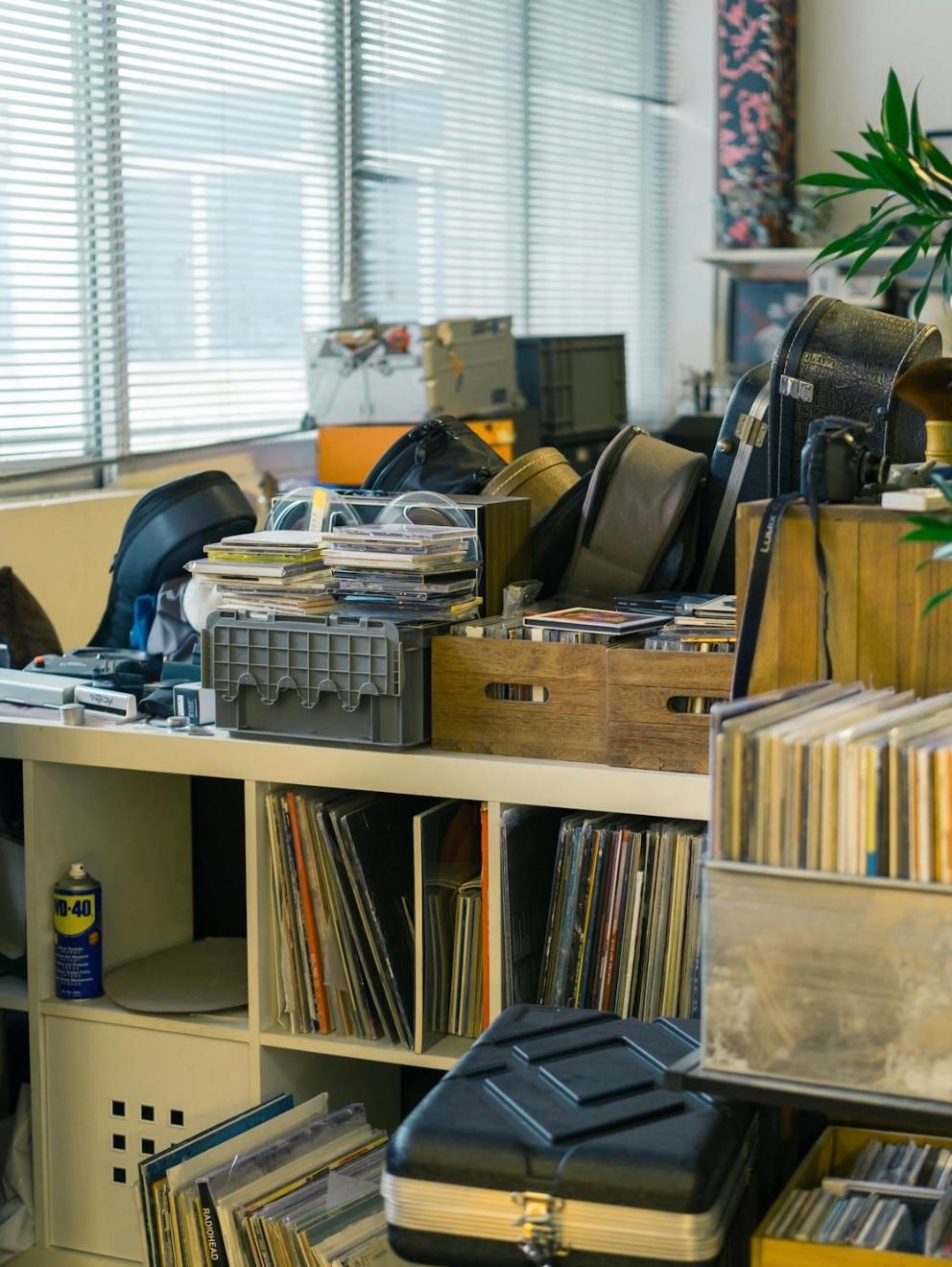
The Burden That Excess Belongings Place on Loved Ones
At some point, each of us may face the difficult task of walking through a deceased parent's
home. Empty in one sense - but not in another. The person is gone, but a lifetime of belongings
remain.
Going from room to room, drawer to drawer, and box to box can be part of the healing process.
Handling familiar objects can spark long-forgotten memories and bring a sense of closure by
forcing us to confront difficult emotions.
But it can also be frustrating and overwhelming. What is left behind is often more than anyone
expected: a house full of possessions that now must be sorted, evaluated, and divided. Nor is it
always clear whose responsibility it is to clean it all up and separate the trash from the trinkets,
the clutter from the keepsakes.
After we are gone, our belongings must be handled, and the responsibility often falls to those
we leave behind.
Conversations about who gets what are best had while your possessions are still yours - not
after they have been left in a kind of personal property limbo where uncertainty can give rise to
stress, conflict, and resentment.
The "Great Wealth Transfer" Is Also a "Great Stuff Transfer"
Over the next couple of decades, an estimated $84 trillion in assets will change hands from the
Silent Generation and baby boomers to Gen X and millennial heirs.1 The "Great Wealth
Transfer" is poised to reshape the global economy through how that wealth is spent and
invested.
But a more immediate and open-ended question is what happens to all the physical
possessions, the decades of accumulated stuff, that are transferred with that wealth.
As the "Great Stuff Transfer" - or "Baby Boom Stuff Avalanche" - gets underway, media outlets
are describing the burden it can place on family members.2
Baby boomers have very high homeownership rates3 and have spent decades filling their
homes with stuff: silverware, furniture, fine china, platters, baseball cards, model trains,
figurines, firearms, and trinkets from their travels.
As our homes have gotten bigger,4 so have the mounds of stuff inside - and outside of - them:
Americans now rent more than 2 billion square feet of self-storage space.5
When someone downsizes or dies, their belongings must go somewhere. While their kids and
grandkids may not want them, they still may be tasked with going through those belongings.
Some items may be worth something, but deciding what to keep, toss, or donate is not easy.
There are also hidden risks and costs buried beneath the piles: the financial and estate planning
fallout a "stuff avalanche" can trigger.
Living in the Avalanche's Path
Reading about the "Great Stuff Transfer" may feel anecdotal until it affects you and your loved
ones. When it does, the impact often shows up in two ways: financial and practical burdens, and
emotional strain within families.
Financial and Practical Burdens
- Ongoing costs add up. Storage units, junk removal, cleanout services, and extended
timelines may result in thousands of dollars in out-of-pocket expenses.
- Value gets lost in the shuffle. When time is limited, items that may have financial or
sentimental value may be thrown away, donated, or overlooked.
- Hidden problems surface late. Excess clutter can conceal maintenance issues or
damage in the home that may not be discovered until heirs are preparing it for sale.
- Higher professional costs. Appraisers, estate sale professionals, and cleanout crews
often need more time (and charge more) when a home is heavily cluttered.
- Digital clutter creates new risks. Old devices, forgotten accounts, and missing
passwords can make it difficult to cancel subscriptions and access records.
Emotional Strain and Family Conflict
- Someone must take the lead. One family member often ends up doing most of the
work, which can create tension and resentment.
- Time and effort are not always equal. Disagreements may arise over how much time
is spent and whether that effort should be compensated.
- Sentimental items may spark conflict. Family members may attach deep meaning to
the same belongings and disagree about who should receive what, even if there is little
financial value.
- Letting go is harder than expected. Deciding what to keep and what to discard can
create guilt, hesitation, and second-guessing.
- Incapacity can accelerate the problem. When a health event occurs, family members
are often forced to quickly step in. A cluttered home can make it harder to provide care,
move safely, or locate essential documents when they are most needed.
When Belongings Become a Burden
It may seem like "just stuff," but it can create real stress and family conflict. The challenge is
managing your belongings thoughtfully so they do not derail your estate plan or overwhelm your
loved ones.
MEREDITH | PC
4325 Windsor Centre Trail
Suite 400
Flower Mound Texas 75028
214-513-1013
This newsletter is for informational purposes only and is not intended to be construed as written advice about a Federal tax matter. Readers should consult with their own professional Counselors to evaluate or pursue tax, accounting, financial, or legal planning strategies.
You have received this newsletter because I believe you will find its content valuable. Please feel free to Contact Me if you have any questions about this or any matters relating to estate planning.
