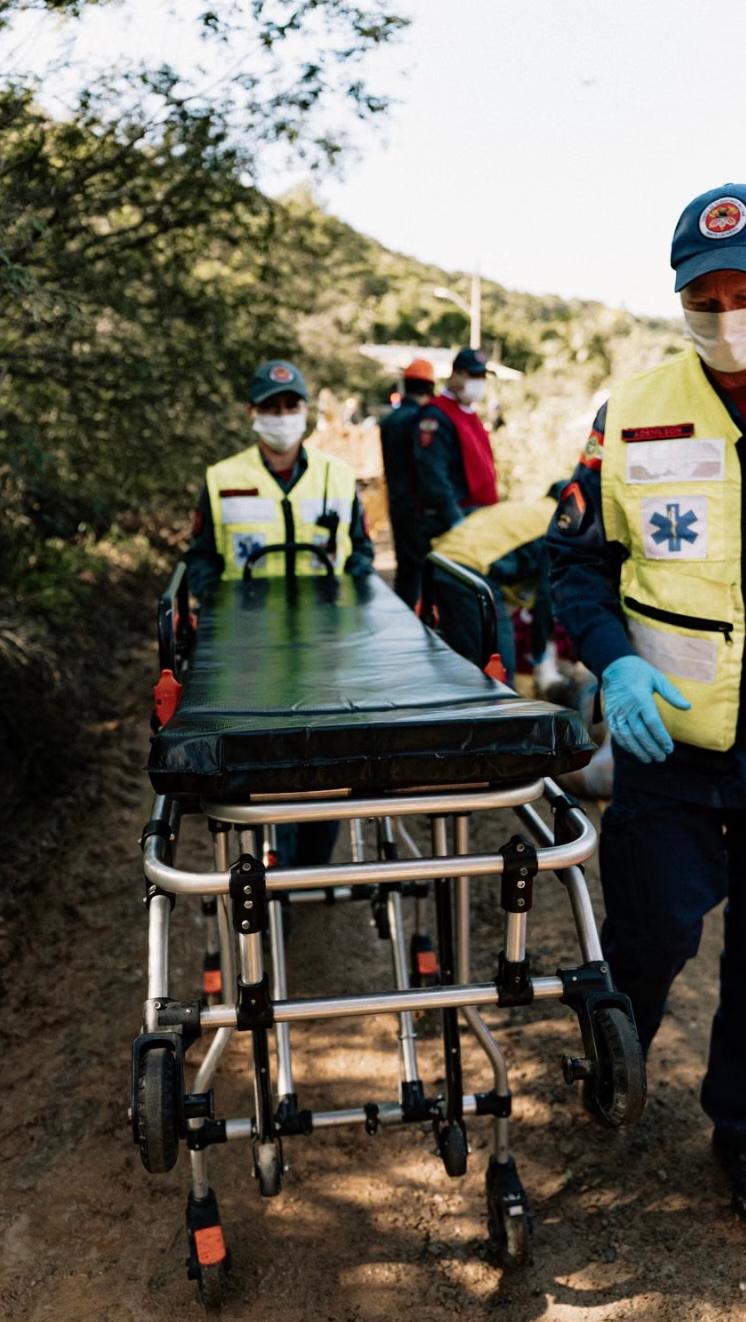
What Happens If Something Goes Wrong While Traveling?
Travel takes us out of our comfort zone, exposes us to new stimuli, and can rekindle a sense of
awe as we leave the familiar behind and embrace the unknown.
It also challenges us to think and act differently. But by stripping away our daily routines, travel
can expose gaps in how prepared we are to handle financial or personal emergencies far from
home.
Before you ever pack a bag, you may want to unpack a list of travel what-ifs that can test your
preparedness for the off-script adventures - and misadventures - you could encounter on the
road.
Where Wanderlust Meets Planning Musts
Whether for business or pleasure, travel tends to inspire a sense of what may go right - not
what could go wrong.
You may be prepared for the ordinary inconveniences of travel without considering the more
serious possibilities. It is easy to imagine a missed connection or a lost bag and how you would
deal with these common traveler snafus. But a serious injury, financial scam, or emergency that
leaves you unavailable and unreachable, however briefly, is an entirely different story.
Your bags are meticulously packed, and your itinerary is planned down to the last detail. But is
your estate plan just as carefully travel-proofed?
A few questions can help you assess your plan's road readiness:
- Who can act quickly if something happens while you are away? If an emergency or
illness sidelines you far from home, you need someone who is authorized to make financial,
legal, or medical decisions on your behalf and who knows how to access your accounts and
assets if needed.
- Can your key decision-makers step in without delay? Legal authority on paper may fall
short if your named decision-makers encounter administrative logjams, outdated
documents, or cross-border red tape when trying to respond to a crisis.
- Where are your documents, and can the right people locate and use them when
needed? Active protection requires timely access to important information, such as account
credentials and contact information for your attorney, financial advisor, or insurance agent.
Disruptions can occur when trusted decision-makers are left hunting for paperwork or locked
out of accounts during a travel emergency.
- Can everyone sync up when you are unavailable? Even if your estate planning
documents are accessible and your chosen decision-makers are prepared, crisis response
can stall due to a breakdown in coordination. Delays caused by travel schedules, limited cell
coverage, or questions about who is supposed to do what can prevent your loved ones from
working together effectively during an emergency.
The point of asking these questions is not to catastrophize your travel plans or treat every trip as
a potential crisis. It is to understand what could go wrong so your plan can withstand some
turbulence and continue functioning as reliably when you are on the road as when you are at
home.
Does Your Estate Plan Work When You Are Away for Work (or Fun)?
The reasons we travel are as diverse as we are. We may travel for work, to unwind, and to seek
out new experiences.
Yet the efficiency of modern travel can obscure the inefficiencies of an estate plan that is not
built to move with you.
Estate plans should be evaluated not only on what they say but also on how they function when
you are not physically present.
Prior to leaving for any trip, consider whether your plan can operate without your direct or
immediate involvement. The goal should not be limited to having the right documents in place.
While you are on the road, an estate plan that does not allow the right people to access
documents, understand them, and use them when you are not there is not ready for takeoff.
Prior to your next adventure, let's schedule a brief check-in to review your travel readiness and
ensure that your estate plan is fully cleared for departure.
MEREDITH | PC
4325 Windsor Centre Trail
Suite 400
Flower Mound Texas 75028
214-513-1013
This newsletter is for informational purposes only and is not intended to be construed as written advice about a Federal tax matter. Readers should consult with their own professional Counselors to evaluate or pursue tax, accounting, financial, or legal planning strategies.
You have received this newsletter because I believe you will find its content valuable. Please feel free to Contact Me if you have any questions about this or any matters relating to estate planning.
