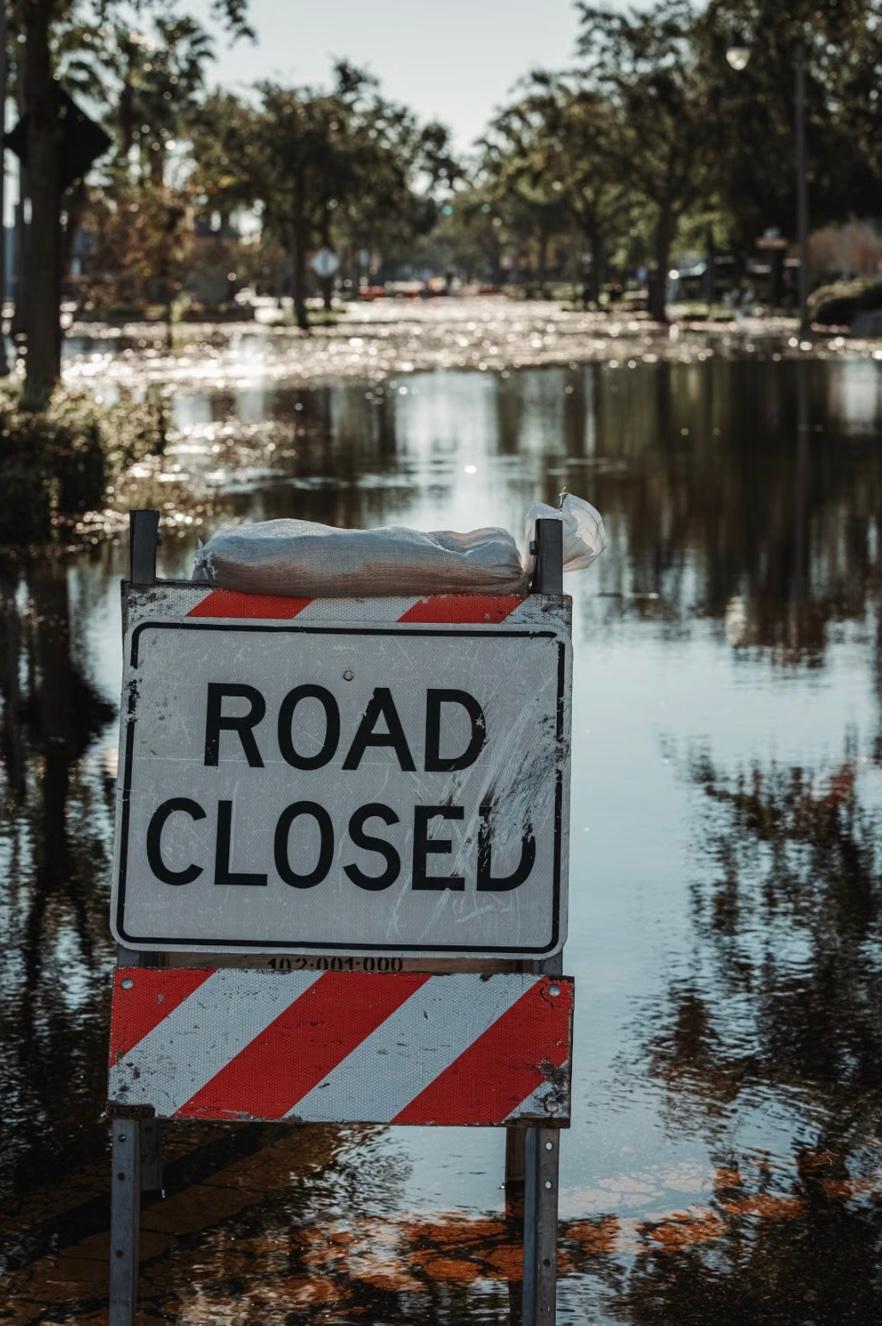
Be Ready for the Unexpected: A Big-Picture Checklist
National Preparedness Month is observed every September to encourage individuals, families,
and communities to plan for disasters and emergencies.
Sponsored by the Federal Emergency Management Agency (FEMA),1 this annual campaign
emphasizes actionable steps such as understanding local risks, making a family emergency
plan, building an emergency supply kit, and getting involved in community preparedness efforts.
Food, water, medicine, and a well-stocked go-bag can help you remain safe in an emergency.
But you may still be financially and legally unprepared if your important documents are
inaccessible, your insurance coverage does not match the risks you face, or your estate plan is
not disaster-ready.
According to national data from 2024,2 weather and climate disasters have become more
frequent, more severe, and more costly. Are you giving emergency preparedness the
appropriate amount of attention? A big-picture planning checklist can reveal your readiness for
unexpected disruptions to your life, so you are not forced to address them under pressure when
it may be too late or too difficult to make changes on the fly.
A Primer on National Preparedness Month
While the word disaster may bring to mind hurricanes, tornadoes, floods, or wildfires, it can also
encompass a much wider range of events.
Under the federal disaster declaration system and FEMA's emergency preparedness guidance,
disasters and emergencies may include earthquakes, severe winter storms, droughts,
explosions, landslides, public health crises, terrorist attacks, cyberattacks, active shooter
incidents, power outages, and other hazards affecting Americans' homes, businesses, and
communities.3
National Preparedness Month grew out of the heightened focus on emergency readiness
following the September 11, 2001, terrorist attacks. FEMA launched the annual campaign with
partner organizations in 2004, and it has since expanded into a nationwide effort.
Five Questions to Ask Yourself During National Preparedness Month
Amid a disaster, you may find yourself facing many questions without ready answers. An
emergency is a time to act decisively. The more you think through potential problems ahead of
time, the better prepared you and your family will be to respond in ways that keep everyone
safe.
FEMA reminds us that disaster preparedness begins at home and provides a checklist of four
key actions that everyone should take to prepare for potential disasters and emergencies where
they live.4 FEMA's location-based resources can also help you identify disaster risks and
preparedness information specific to your area.5
You can build on that foundation with five additional questions that specifically gauge whether
your financial and estate plans are ready for the strain and disruption a disaster can cause.
- Are your important documents somewhere safe? Financial records, deeds,
insurance policies, and legal documents should be protected from fire, water damage,
theft, and other physical risks. Original paper copies may need to be stored in a fireresistant, waterproof safe or at a secure location away from your home, such as a bank
safe deposit box, an attorney's office, or the home of a trusted person in a different area.
- Are your estate planning documents up-to-date? Wills, trusts, powers of attorney,
and healthcare directives should be current in case an emergency forces your plan into
action. Outdated documents can create confusion or delay when someone needs to act
during a disaster.
- Does someone else know where to find them? To be usable, estate and financial
plans must be locatable. Provide family members, fiduciaries, and trusted contacts with
instructions for finding and accessing documents where they are stored.
- Is your insurance adequate for the risks you face? Review whether your current
coverage and policy limits are sufficient for the risks in your area, including current
rebuilding costs and exclusions for hazards such as flooding or earthquakes.
- Have you explored policy riders that could further protect you? Endorsements or
riders may help address gaps and other risks not fully covered by a standard policy,
such as sewer or water backup, high-value personal property, business interruption, or
work equipment.
Each of these questions, if left unresolved, can compound an emergency and complicate your
response. Because disasters often strike suddenly and leave little time to act, the federal
government and FEMA stress preparation. You should do the same with your plans and your
family.
You Have More Control Than You Think
The time to address disaster preparedness is before an emergency occurs - not amid the
heightened pressure of an earthquake, storm, or fire evacuation but in the relative calm of your
home or advisor's office.
It can be easy to assume that a serious disaster will not happen to you. It may not have
happened yet. And it may never happen. But with incidents such as floods and fires on the rise,
and one national survey estimating that more than 3 million US adults - about one in 70 - were
displaced from their homes by a natural disaster in the preceding year,6 that type of risk should
not be dismissed out of hand. Doing so can be catastrophic in its own right.
Disasters may be unpredictable, but being prepared for one is entirely within your control. If you
answered "no" to any of the questions on the checklist, an estate planning attorney can help you
come up with answers now, before disaster strikes and you are left wondering what to do midemergency.
MEREDITH | PC
4325 Windsor Centre Trail
Suite 400
Flower Mound Texas 75028
214-513-1013
This newsletter is for informational purposes only and is not intended to be construed as written advice about a Federal tax matter. Readers should consult with their own professional Counselors to evaluate or pursue tax, accounting, financial, or legal planning strategies.
You have received this newsletter because I believe you will find its content valuable. Please feel free to Contact Me if you have any questions about this or any matters relating to estate planning.
