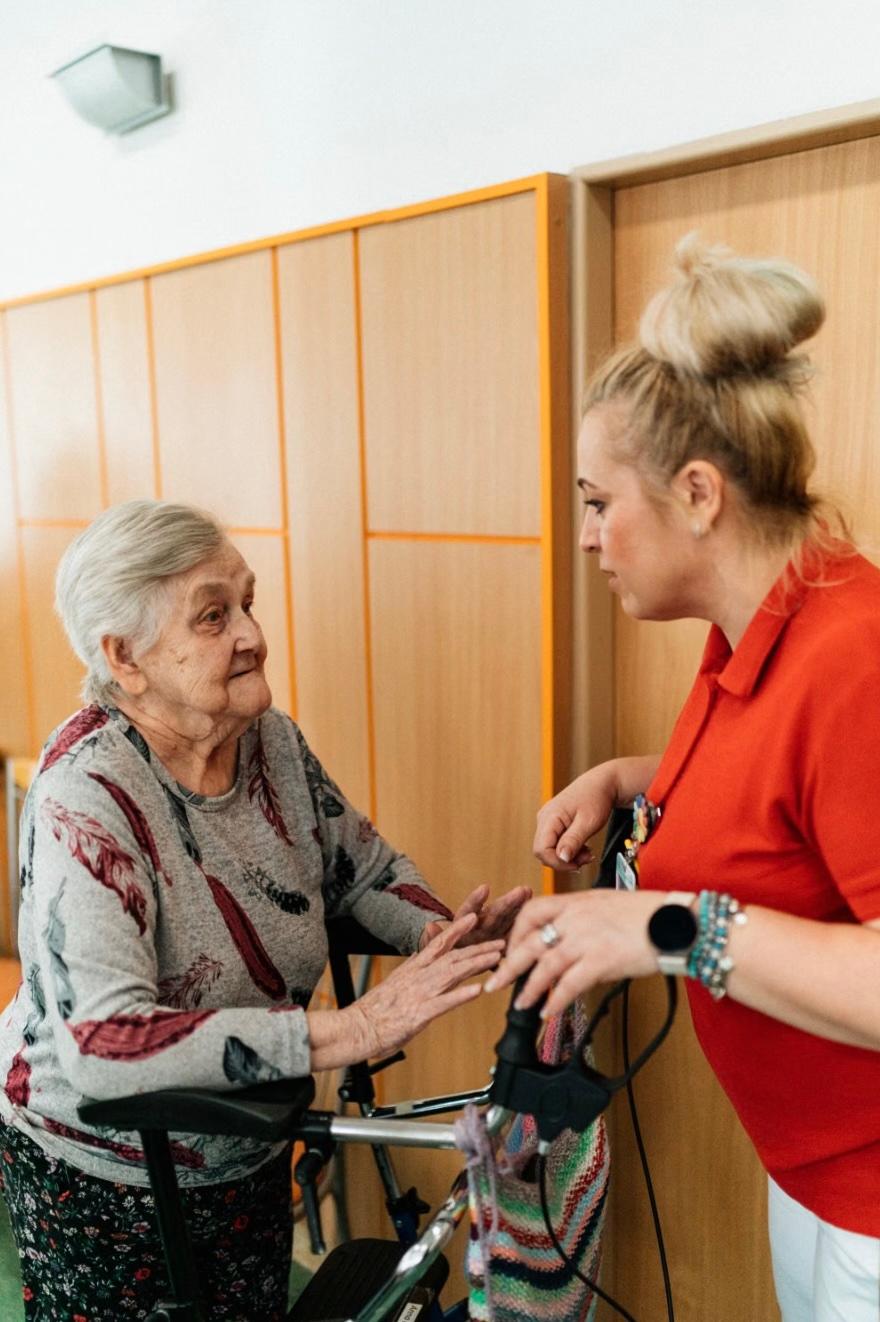
Emergency Preparedness When Your Parent Is in a Nursing Home
The decision to place a parent in a nursing home or assisted living facility is rarely simple. It can
feel even more fraught in hindsight when something goes wrong.
Careful research and frequent check-ins can help keep a parent safe and secure in their new
residence, as can preparing for a disaster that could trigger rapid, high-stakes legal and
financial decisions.
A disaster plan may begin at home, but it should also account for parents and other family
members who live elsewhere and may depend on you during an emergency.
Eaton Fire Shows the Reality of Senior-Care Evacuations
When the Eaton Fire ripped through Altadena and Pasadena, California, in January 2025,
approximately 850 patients and residents were evacuated from nursing homes, assisted-living
facilities, and group homes across the Los Angeles area.1
The evacuation of The Terraces at Park Marino, an assisted-living and memory-care facility in
Pasadena that was later destroyed, showed how quickly a facility's emergency plan can come
under pressure.
As the power failed and smoke filled the building, staff moved residents downstairs and out into
the street. First responders directed them to a nearby parking lot, which became a temporary
staging area while they waited for buses and ambulances to transport them to safer locations.
The scramble also exposed how easily vulnerable residents can be lost in the shuffle. State
investigators later cited the facility after finding that at least one wheelchair user had been left in
her third-floor room after staff had reported that the building was clear.2 A concerned family
member alerted authorities, prompting firefighters to return and rescue her.
For adult children of displaced residents, learning that a parent has survived an emergency may
be just the beginning. They may also need to know where the parent was taken, who can
approve care or transfer, whether long-term care insurance will cover temporary placement, and
how immediate costs will be paid.
Such questions can arise while you are still trying to locate and communicate with a parent
displaced by a disaster. The Eaton Fire is a stark reminder that families need their own strategy
for a parent's evacuation and continued care rather than simply trusting that the facility has a
plan.
Know the Facility's Emergency Plan
Federal emergency preparedness rules require Medicare- and Medicaid-participating seniorcare facilities to plan for issues such as evacuation, sheltering in place, resident tracking,
communication, and continuity of care.3
However, you should not assume that the existence of a written plan guarantees a smooth
response. A regional disaster can strain transportation, communications, staffing, and receiving
facilities past their breaking points.
You can learn more about a facility's actual plan by asking the following questions:
- Under what circumstances would the facility shelter in place rather than evacuate?
- Where will evacuated residents be taken?
- Does the facility have primary and backup relocation sites?
- How will residents be transported and tracked?
- How will families receive updates if power or cellphone service is disrupted?
In addition to asking questions, request a copy of the facility's plan, which can then become part
of your family's evacuation plan so that a vulnerable loved one is not overlooked in the chaos.
Have Authority and Documents Ready
A parent's evacuation can force decisions that go well beyond the facility's immediate response.
The proper authorities and documents must be in place before an evacuation order is issued.
- Review the scope of authority. An estate planning attorney can confirm whether the
documents authorize the decisions a displacement may require, including arranging
care, approving a transfer, accessing funds, or entering into a new facility agreement.
- Confirm that essential documents are up-to-date and in place. Ensure that your
parent's healthcare and financial powers of attorney, insurance information, identification
records, and other critical documents, such as a medication list, are current, accessible,
and available to whomever may need them.
- Build an emergency contact list together. Include direct contact information for the
facility's director, long-term care ombudsman, long-term care insurer, attorney,
accountant, and other resources.
Prepare for Payment and Access Issues
Parental displacement can create financial issues before insurance, benefits, or regular
payment arrangements catch up.
- Review long-term care insurance. Understand how your parent's policy treats
temporary relocation, facility closure, alternate care settings, waiting periods, and
reimbursement requirements.
- Ask about Medicaid and facility-specific rules. Bed-hold and temporary-absence
policies can vary by state and facility. Find out how an evacuation or transfer could affect
your parent's placement and benefits before making independent arrangements.
- Maintain accessible funds. Temporary placement, transportation, medical supplies, or
private-pay care may require payment before insurance or other benefits respond.
- Document out-of-pocket costs immediately. Preserve receipts and records for
transportation, temporary care, medical supplies, lodging, and other emergency
expenses.
- Review your financial plan. Consider how the event affects cash flow, emergency
reserves, retirement goals, or your ability to contribute toward your parent's care.
Know Your Rights
Nursing home residents have rights, and their authorized representatives can help protect those
rights. If your parent has authorized you to participate in their care or you are serving as their
legal representative, you may be involved in developing a care plan and making certain
decisions on their behalf.
The facility's communication procedures should also explain how residents and their
representatives will be notified during an emergency, where evacuated residents are being
relocated, and how families can obtain updates after communication has been restored.
Ensure that the facility correctly identifies you in its records and has current contact information
and copies of any documents that establish your authority. If you have questions about
preparing your estate plan for a disaster or about understanding your role and authority when a
parent lives in a care facility, we are here to help you get to higher legal ground.
MEREDITH | PC
4325 Windsor Centre Trail
Suite 400
Flower Mound Texas 75028
214-513-1013
This newsletter is for informational purposes only and is not intended to be construed as written advice about a Federal tax matter. Readers should consult with their own professional Counselors to evaluate or pursue tax, accounting, financial, or legal planning strategies.
You have received this newsletter because I believe you will find its content valuable. Please feel free to Contact Me if you have any questions about this or any matters relating to estate planning.
